Skip to content

Breaking the Stigma: Talking About Therapy in Everyday Life

Therapy is finally stepping out of the shadows and into everyday conversation yet many people still feel hesitant to talk about it openly. For years, mental health care has been misunderstood, judged, or treated as something you only seek in crisis. But the truth is simpler and far more human: therapy is a tool for growth, clarity, and emotional wellbeing. By speaking about it with honesty and courage, we help dismantle the stigma and create a world where caring for your mind is as natural as caring for your body. This article explores why stigma still lingers, what therapy truly offers, and how open conversations can help us all heal together.


Digital Burnout: How Constant Connectivity Impacts Our Mental Health

In a world where screens never sleep and notifications compete for our attention, many of us are quietly reaching a breaking point. Digital burnout, mental and emotional exhaustion caused by constant online engagement has become one of the most widespread yet overlooked challenges of modern life. We stay connected around the clock, but this connection often comes at the cost of clarity, rest, and genuine presence.

Why Community Matters: Health, Happiness, and Human Connection

Community is more than a social concept, it’s a biological need.
Decades of research across psychology, public health, and social science reveal a clear truth: strong community ties protect our mental and physical health. People with a strong sense of belonging report lower depression, reduced stress, and higher resilience. When we’re connected, we’re stronger.

Built on Science. Designed for Trust. Made to Grow With You.

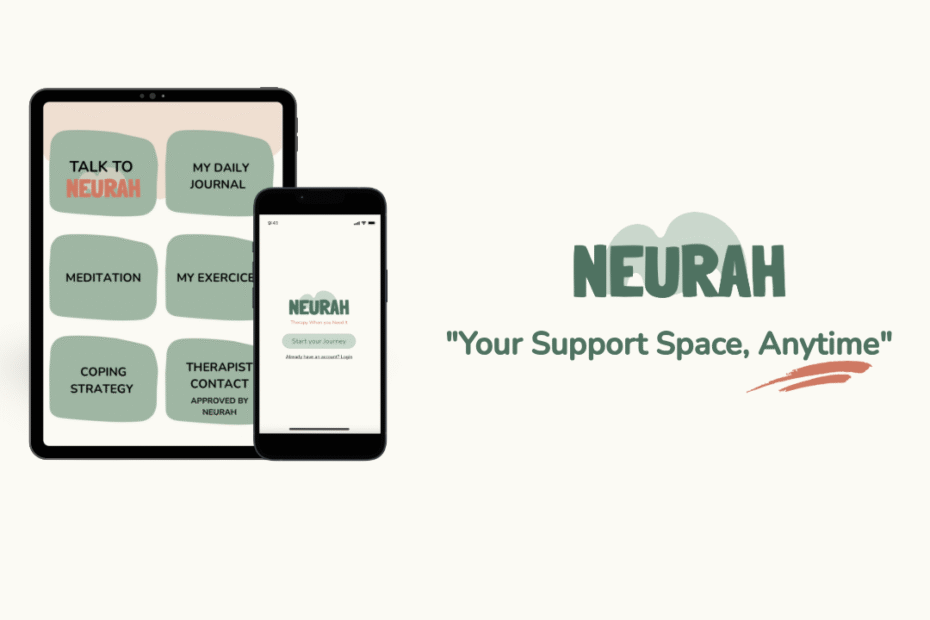
Neurah was born from a truth too heavy to ignore: our mental health system isn’t catching people when they need it most. We exist to be there in the in-between, not to replace human care, but to make sure no one feels invisible in their pain. Built on science, designed for trust, and made to grow with you, Neurah is more than technology. It’s a promise to stand with you when the world goes quiet.

Breaking the Overthinking Loop

Overthinking doesn’t start loud, it starts with a whisper: “Did I say the wrong thing?” Before you know it, your mind is stuck in a loop, replaying every word, every glance. For those living with social anxiety, these loops can feel endless. But they don’t have to define you.

ADHD & Emotional Regulation: Why It Matters and How Neurah Aims to Help

Emotions are messy. For many with ADHD, they’re also magnified, small frustrations can spill into tears, a moment of irritation can spiral into overwhelm, and calming down feels nearly impossible. That’s because emotional dysregulation is often deeply intertwined with ADHD. It’s not just a “side issue”, it’s one of the core challenges people face in daily life, relationships, and work. Research shows that emotional self-regulation difficulties are prevalent in ADHD across the lifespan.

Top 5 Techniques to Manage Stress and Anxiety

Stress and anxiety are not signs of weakness, they’re signals from your mind and body that something feels off. In short bursts, they can sharpen your focus and push you forward. But when they linger too long, they quietly wear you down from the inside out, clouding your thoughts, weakening your body, and draining your emotional reserves.

The goal isn’t to eliminate stress entirely it’s to build resilience so it no longer runs the show.
This article explores five science backed techniques that can help you steady your inner world, regulate your nervous system, and create space to breathe again, even on the hardest days.

Why Connection Can’t Wait

We’re living through a quiet crisis. Suicide rates continue to climb. Domestic violence is rising. Mass shootings have become alarmingly common. Behind every statistic is a heartbeat, someone fighting to hold on in a world where help is too often out of reach. The gap between need and access is growing wider, and connection can’t wait. At Neurah, we believe technology can do more than distract, it can connect, stabilize, and save lives. If we can help even one person feel seen instead of slipping away, every ounce of effort will have been worth it. Because in a world this loud with pain, connection is the only real antidote.

The Silent Epidemic: Why The Mental Health System Is Failing Millions

There’s a quiet crisis unfolding in plain sight. Millions reach out for help every day and find that help doesn’t reach back. The mental health system is overwhelmed, outdated, and fractured—leaving too many people stuck between wanting to heal and being unable to afford, access, or trust the care they need. This isn’t just a failure of infrastructure it’s a failure of empathy. Healing requires being seen as a whole human being, not a diagnosis or billing code. Until compassion becomes part of the system’s design, millions will keep falling through the cracks of a structure meant to hold them.